Adjacent Sights and Geographic Distances
The Lanaitho Valley and the Barbagia territory house an exceptional density of prehistoric and geological monuments. Below is a comprehensive guide to the top sights located near Grotta Corbeddu. It details exact distances and transit methods.
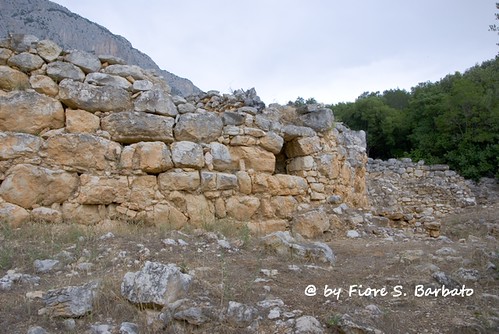
1. Nuragic Sanctuary of Sa Sedda 'e sos Carros
This Nuragic sanctuary dates back to the Late Bronze Age (1200–900 BC). It is famous for its circular stone fountain decorated with nine carved ram heads. The fountain was the center of ancient water-worship rituals. Water flowed through the ram mouths into a central basin. The site includes multiple circular stone dwellings and workshop rooms where archaeologists discovered bronze tools, amber beads, and votive figures.
For ticket purchase and visitor details, check the official municipal page of Oliena or book cumulative entries at lanaitho.com.

2. Grotta di Sa Ohe (Cave of the Voice)
Grotta di Sa Ohe is an active karst river cave. It has a massive arched entrance. During periods of heavy autumn rain, the rising subterranean waters create a loud rumbling sound that echoes through the valley. This is a natural warning of rising waters. The cave connects to the Su Bentu system, which is one of the longest underground networks in Italy. Visitors can view the entrance lake and walk the first hundred meters of the dry gallery.
For mapping and offline routes, check the GPS coordinates at the Google Maps Location.
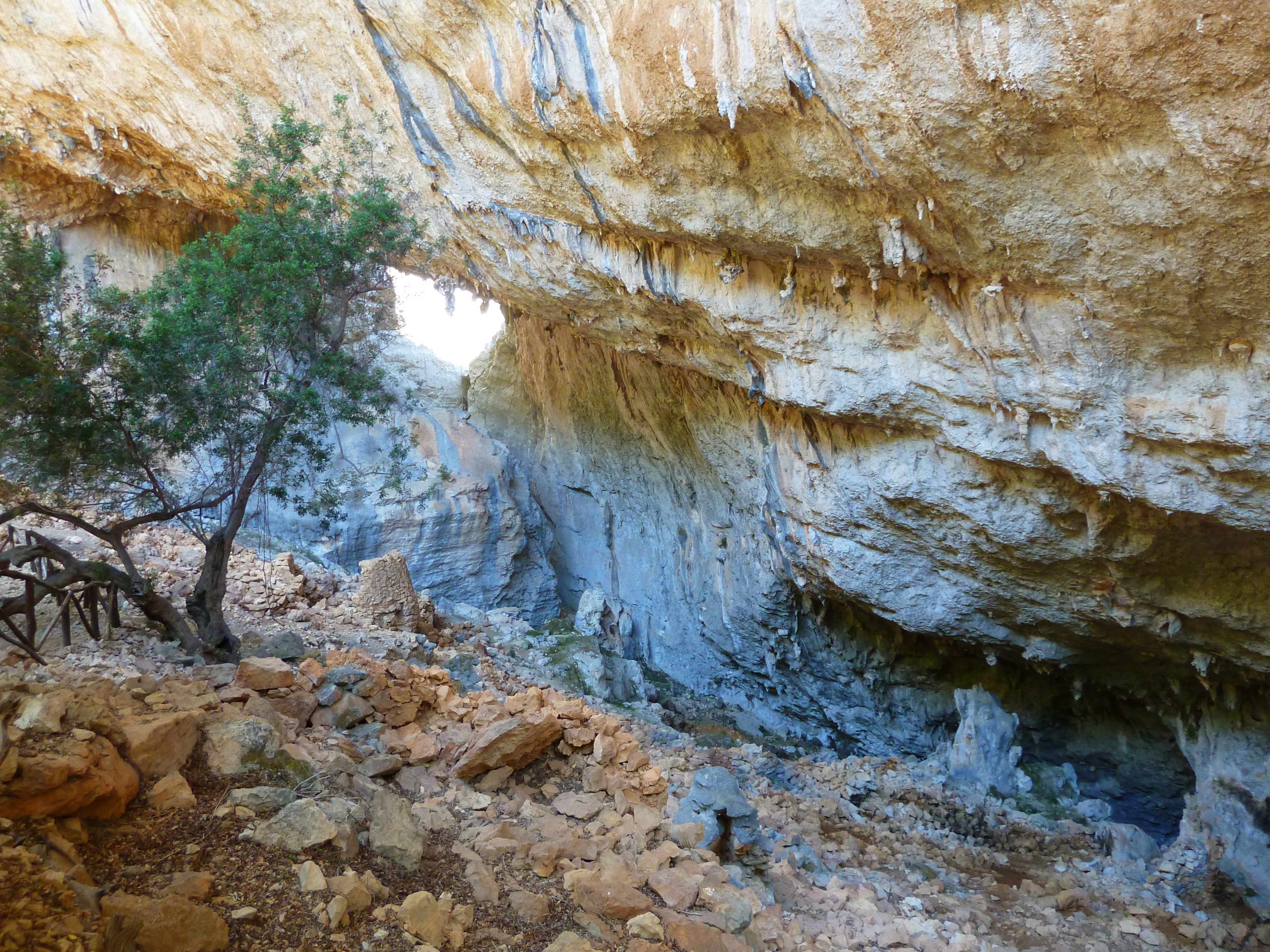
3. Tiscali Nuragic Village
Tiscali is a prehistoric settlement built inside a collapsed limestone sinkhole on Mount Tiscali. The sinkhole walls protected the ancient stone dwellings, and this kept them hidden for centuries. The site dates back to the Nuragic era (15th–6th centuries BC) and continued in use during the Roman period. The hike is demanding, with steep climbs over loose rock, but the panoramic views of the valley are spectacular.
You can check path descriptions and trail maps on the official portal of Oliena Tourism.
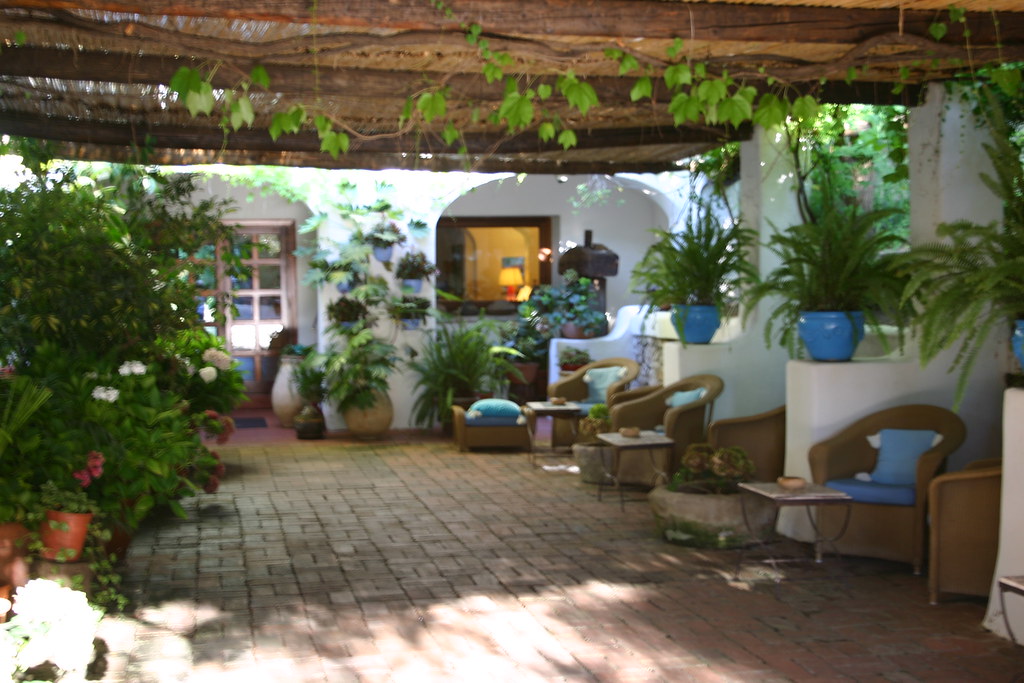
4. Su Gologone Spring
Su Gologone is a karst spring located at the base of a high limestone wall. The spring is the primary water source for the Nuoro region, with water flowing from a deep canyon surveyed down to 135 meters. The water has an intense turquoise color. The spring sits inside a public park with eucalyptus trees, wooden bridges, and a small church.
Learn more about the park facilities and entry costs on the cooperative portal at Sardinian Spring Guide.
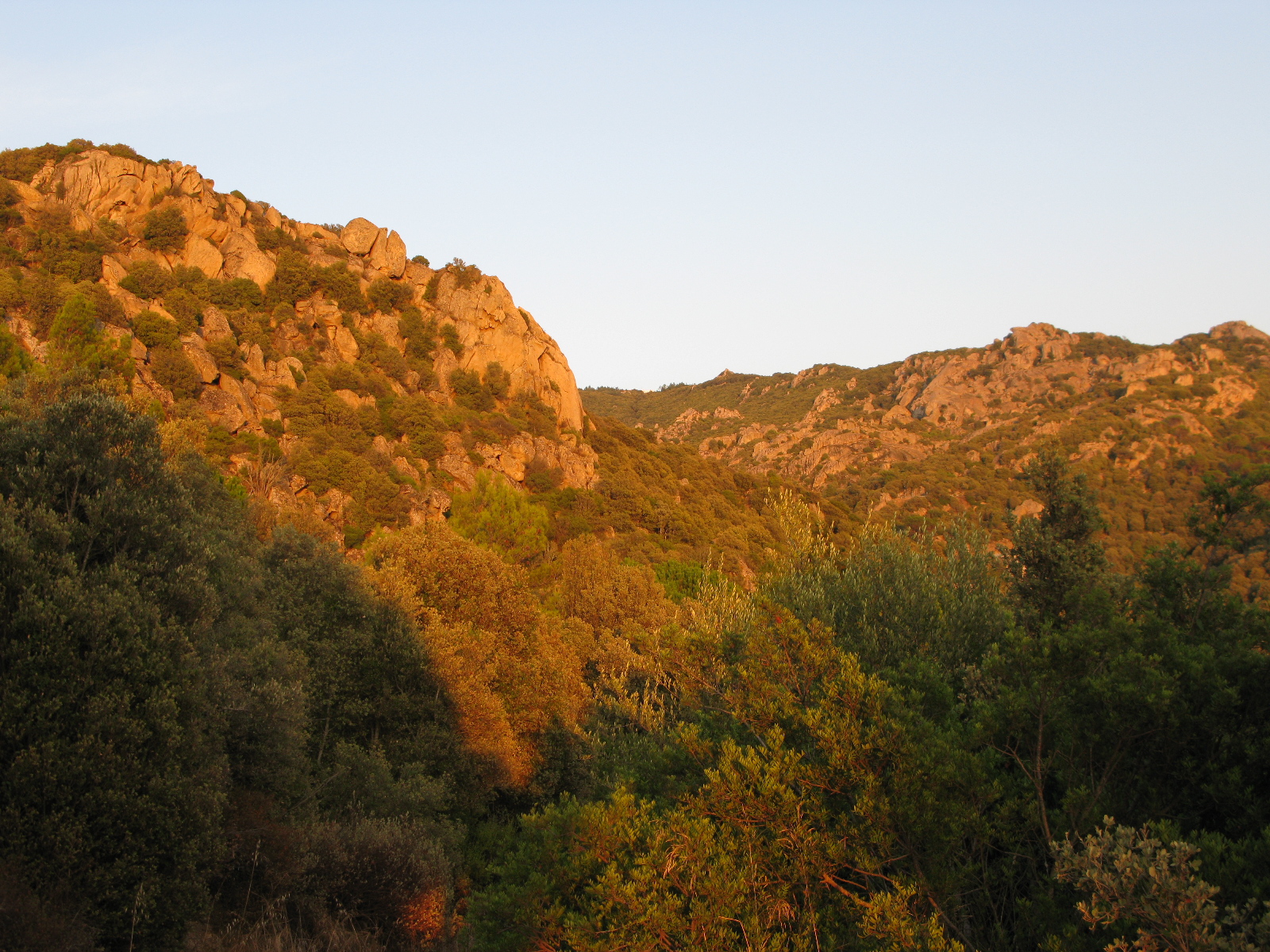
5. Mount Ortobene (Nuoro)
Mount Ortobene is a granite mountain block situated next to the city of Nuoro. The summit displays the massive bronze statue of Christ the Redeemer. The slopes are covered in dense pine and holm oak forests. The mountain is popular for hiking and has several picnic spots, views of the valleys, and historical churches. It is a cool retreat during hot summer afternoons.
View navigation pins and details on the municipal page of the City of Nuoro.
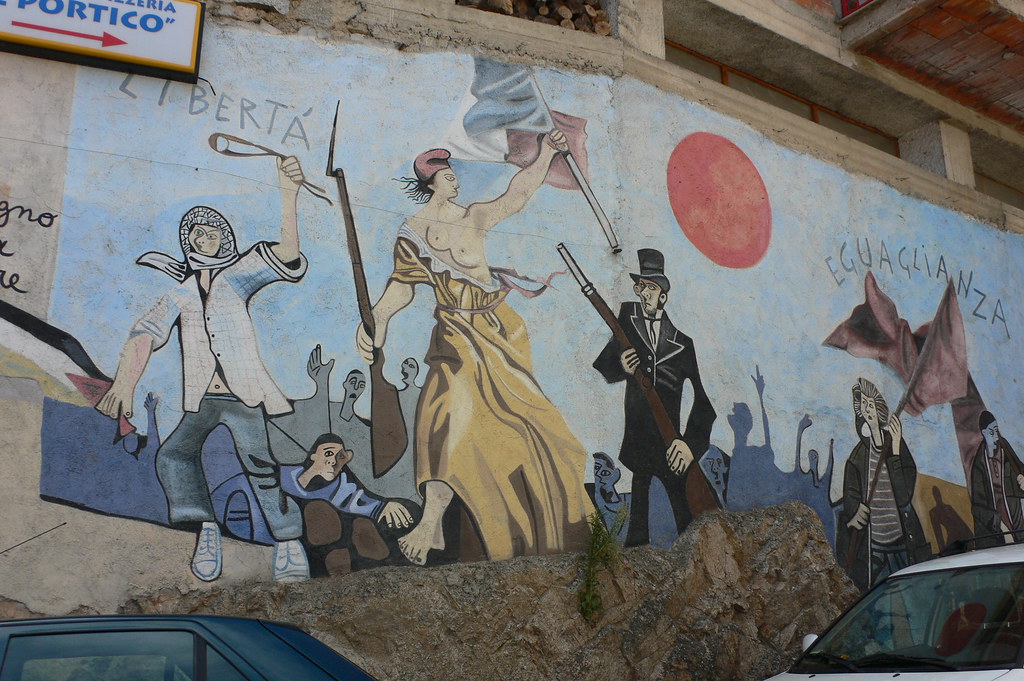
6. The Murals of Orgosolo
Orgosolo is a mountain town in the Barbagia region. The town is famous for its murals painted on stone house walls. These paintings date back to the late 1960s. They depict political struggles, agricultural traditions, and historical events. The murals cover the streets of the old center. The town also houses museums dedicated to local customs and silk production.
For travel guides and regional transit connections, check the Heart of Sardinia Portal.
How to Structure Your Regional Travel Itinerary
Combining multiple sights in a single day is a popular choice for visitors. To help you maximize your time, the guide below explains the most popular regional travel routes:
The Valley Archaeological Day
This route focuses on the sites inside the Lanaitho Valley. Start at 9:30 AM at Campo Base to acquire your cumulative ticket. Walk to Grotta Corbeddu first, then continue to the Nuragic Sanctuary of Sa Sedda 'e sos Carros. In the afternoon, explore the entrance of Grotta di Sa Ohe. This itinerary requires minimal driving and is highly suitable for families.
The Mountain Adventure Path
This route is designed for active hikers. Start early by driving to the Mt. Tiscali trailhead. The hike to the Nuragic village takes about 3.5 hours. In the afternoon, return to the valley floor to visit Grotta Corbeddu. Finish the day with a visit to the Su Gologone spring park to cool off and rest.
The Barbagia Cultural Drive
This route combines archaeology with local culture. Spend the morning exploring the caves of Lanaitho. Drive to Oliena for lunch, then continue to Orgosolo in the afternoon to view the murals. If time permits, drive up Mount Ortobene in Nuoro for sunset views of the valleys.
Winter Karst Route
During the rainy winter months, the valley rivers reactivate. Start your route at the Su Gologone spring, which displays a high water volume. Drive into the valley gateway to view the roaring waters at Grotta di Sa Ohe. Because access tracks can flood, we recommend checking trail conditions with Cooperativa Corrasi before starting.