Discover the wild mouflons, protected cave bats, and ancient oak forests of the Supramonte mountains.
The Lanaitho Valley is a key ecological sanctuary in central Sardinia. The high limestone cliffs block intense winds. This shelter creates a distinct local microclimate. Forests of holm oak and dense Mediterranean scrub cover the valley floor. Many rare plant and animal species live in this dry limestone environment. The ecological balance is delicate. It depends on seasonal rains and minimal human disturbance.
The vegetation of the valley is adapted to the limestone karst conditions. Holm oak trees are the dominant species. They grow slowly in the thin mountain soil. Their deep root networks penetrate limestone cracks to seek underground water. Beneath the forest canopy, aromatic shrubs like mastic, myrtle, and wild rosemary grow. These shrubs release essential oils that scent the valley air during hot summer days.
This rich botanical environment supports diverse animal communities. The mountain slopes are home to wild mammals and birds. They feed on the seeds and berries of the forest scrub. The karst caves also contain specialized species that live in complete darkness. The protection of this flora and fauna is a major priority for the regional parks.
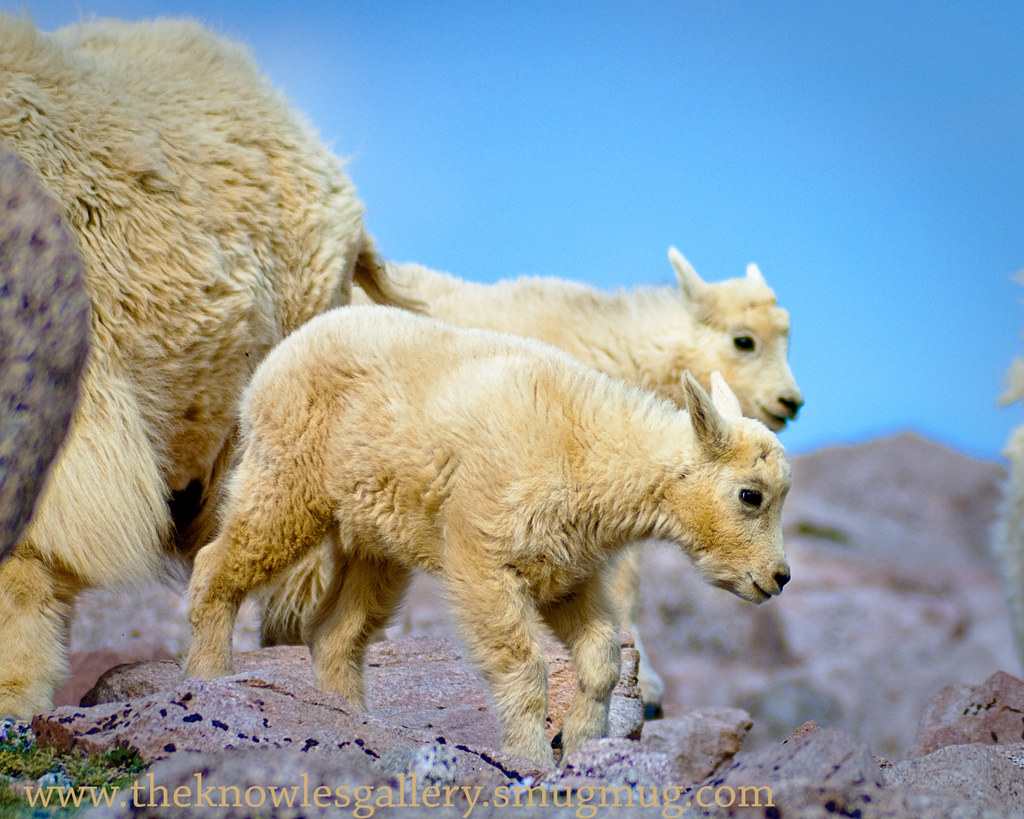
Below are the key animal and plant species you may encounter during your visit to the Lanaitho Valley.
These wild mountain sheep have large, curved horns and light-brown coats. They live on the high limestone cliffs. They feed on mountain grasses and scrub leaves. They are shy animals. Hikers occasionally see them running across the rocky ridges early in the morning.
This subspecies is smaller than the mainland wild boar. It lives in the thick holm oak forests. They dig in the soil for roots, acorns, and small insects. They are active mostly at night. You can spot signs of their digging along the damp sections of the trails.
Several species of cave-dwelling bats nest in the deep karst vaults of Corbeddu Cave. They feed on insects at night, which keeps the local pest population under control. They are protected under European laws. Visitors must not shine bright lights at the cave ceiling to avoid disturbing them.
The high cliffs of the Lanaitho Valley contain nesting sites for several rare birds of prey. Golden eagles build their nests in the high limestone crevices of Mount Tiscali and Mount Corrasi. These eagles hunt small mammals like the giant rabbit relatives on the valley floor. Peregrine falcons also fly along the limestone columns and use their speed to catch smaller birds. Observing these birds requires patience and high-quality binoculars.
The cliff walls are home to endemic plant species that grow nowhere else in the world. These plants survive in vertical rock faces with minimal water. The Sardinian wild peony grows in shaded limestone gullies. It blooms in late spring with bright red flowers. Various rock-dwelling lichens and mosses cover the limestone. These organisms play a key role in the chemical weathering of the rock. These ancient plants have adapted to the extreme microclimates of the Supramonte.
The interior of Corbeddu Cave is home to specialized cave animals. The most famous is the Sardinian cave salamander. This small, dark amphibian is endemic to the karst systems of central Sardinia. It lacks lungs. The salamander absorbs oxygen directly through its damp skin. It lives in the dark, humid crevices of the cave. The salamander feeds on tiny insects.
The presence of these fragile cave species demands strict conservation rules. The cooperative guides monitor visitor behavior to protect the cave microclimate. Changes in air humidity or temperature can harm the cave salamanders and bats. Because of this risk, the tourist group sizes are limited.
We must also protect the surface vegetation. The ancient junipers growing out of the limestone cliffs are centuries old. Their wood was traditionally used to build the roofs of Nuragic dwellings and local shepherd huts. Today, these trees are protected, and cutting them is illegal.
Yes. These wild mountain sheep live on the high limestone cliffs of the Supramonte. Hikers occasionally see them early in the morning near the rocky ridges.
Yes. Several rare bat species nest in the deep chambers of Corbeddu Cave. They are protected under European conservation laws, and visitors must maintain low noise levels to avoid disturbing them.
No. The valley contains many endemic plant species. Picking or damaging any wild vegetation is strictly prohibited under regional conservation rules.
No. There are no venomous snakes native to Sardinia. The only wild snakes present on the island, such as the horseshoe whip snake, are harmless to humans.
Sardinia is one of the world's designated Blue Zones. The longevity of its residents, particularly in the mountain Barbagia region, is attributed to a healthy Mediterranean diet, daily physical activity, strong family structures, and low stress levels.