The Bandit King

Explore the life, folklore, and tragic end of Giovanni Corbeddu Salis, the legendary outlaw of Barbagia.

Photo by vasile23 / Openverse

The Life of Giovanni Corbeddu Salis

Giovanni Corbeddu Salis was born in the mountain town of Orgòsolo in 1844. He became the most famous outlaw in Sardinian history, known in local lore as the "Robin Hood of Sardinia". His life of banditry began in 1880 after he was accused of stealing a sheep. Rather than face trial in a state court that he considered foreign and unjust, Corbeddu fled into the limestone cliffs of the Supramonte. He chose the Lanaitho Valley as his primary refuge. He stayed in the cave that now bears his name.

Corbeddu did not target the poor shepherds of the valley. He focused his activities on wealthy landowners, government representatives, and state tax collectors. This choice of targets gained him the support of the local population. Shepherds and farmers in the Nuoro province refused to provide information to the state police. Instead, they supplied the outlaw with cheese, bread, and clothing. This network of local support allowed him to evade search parties for nearly two decades.

His status among the Barbagia communities grew beyond that of a simple outlaw. He became an important figure in the local society. He worked as an informal arbitrator and peace negotiator. When family feuds threatened to disrupt the peace of the mountain villages, elders called on Corbeddu to settle the disputes. He held negotiations inside the limestone chambers of the cave. His decisions were respected because of his reputation for fairness and his commitment to the traditional laws of the island.
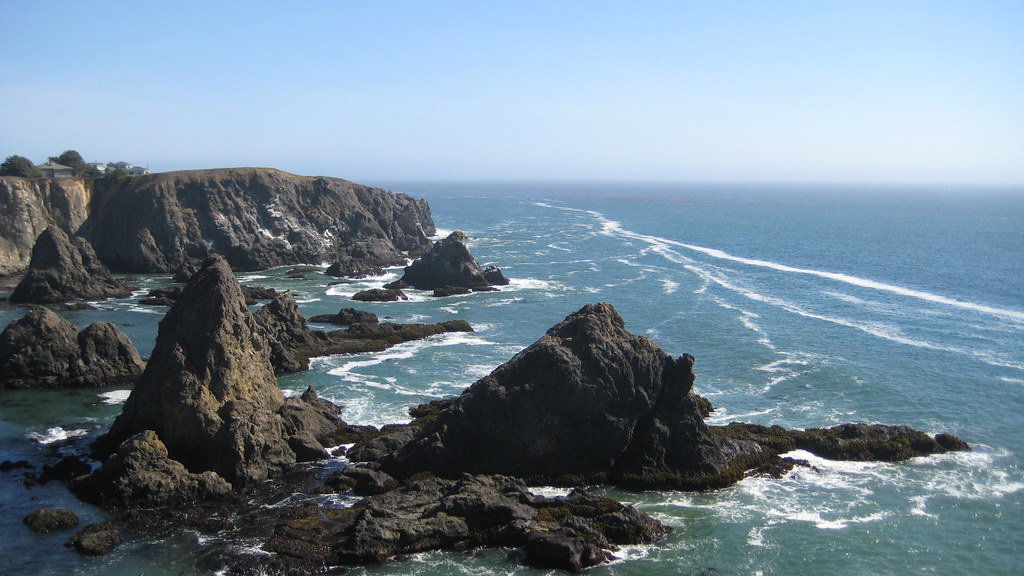
Rugged limestone hideout wilderness in Sardinia
Photo by sergejf / Openverse

A Natural Limestone Fortress

Grotta Corbeddu was not merely a random shelter. It was a strategic fortress that allowed the bandit to survive long search campaigns.

Subterranean Hydrology

The cave contains several natural drip-water pools. These pools collect rainwater that filters through the limestone layers. This underground water source allowed Corbeddu to survive inside the cave for weeks without needing to go to the open springs in the valley, which were monitored by police patrols.

Strategic Elevation

The cave entrance is located on a steep slope. This position gave the bandit clear views of the valley. Lookouts could spot police patrols hours before they reached the site. The narrow entrance also made the cave easy to defend with a small group of armed men.

Hidden Chambers

The cave system has multiple levels and hidden crawlways. Corbeddu used these secondary galleries to store weapons, ammunition, and dry food supplies. If police forces entered the main chamber, the bandit could retreat into the dark, narrow channels where searchers feared to follow.

The Last Stand of the Bandit King

The long career of the bandit came to an end in the spring of 1898. The Italian government, determined to establish state authority in the region, sent large detachments of Carabinieri to Barbagia. On April 17, 1898, a police patrol discovered a temporary camp in the Lanaitho Valley where Corbeddu was resting with several companions.

A fierce gun battle began in the valley. Corbeddu and his men fought from the cover of the limestone boulders, but the police forces surrounded the area. Corbeddu was shot and killed during the shootout. The news of his death caused deep grief in the mountain villages.

The story of Giovanni Corbeddu Salis became a symbol of regional resistance against central authority. Local poets wrote traditional songs about his deeds, and shepherds kept his memory alive by sharing stories of his fairness. Today, visitors to the cave can walk through the same chambers where the bandit king held court and planned his escapes.

Bandit History Summary

Birth Year: 1844 (Orgòsolo, Sardinia)
Outlaw Period: 1880 – 1898
Primary Hideout: Grotta Corbeddu (Lanaitho Valley)
Key Role: Arbitrator of regional disputes
Death Date: April 17, 1898 (Lanaitho Valley shootout)

Bandit Legend FAQ

Did Giovanni Corbeddu Salis live inside the cave?

Yes. The bandit used the deep limestone chambers and hidden galleries of the cave as a strategic base between 1880 and 1898. The location provided excellent views of the valley trails and access to water.

Did the bandit negotiate disputes in the region?

Yes. He acted as an informal arbitrator and peace negotiator for the shepherds of Barbagia. His decisions in local disputes earned him deep respect among the rural families.

Did he die inside the Lanaitho Valley?

Yes. A joint force of Carabinieri and local militia surrounded his camp in the valley on April 17, 1898. He was shot and killed during the ensuing shootout.

What is the mythical creature of Sardinia?

One of the most famous mythical entities is the "Janas" (fairies), who supposedly built the prehistoric rock-cut tombs called Domus de Janas (Houses of the Janas) found throughout the Sardinian landscape.